With the expanding application of construction machinery, excavator attachments have become essential tools for improving overall equipment capabilities. By using different types of attachments, excavators can perform various tasks such as crushing, grabbing, cutting, screening, and compaction. However, each attachment has unique structural features and operating requirements. Proper operating methods can improve work efficiency, reduce equipment wear, and extend service life.
Before operating an excavator attachment, a thorough equipment inspection should be completed. Operators need to confirm that the attachment matches the excavator's weight class and check connection components, hydraulic hoses, and fixing devices to ensure they are in proper condition. For hydraulic attachments, hydraulic pressure and hose sealing should also be inspected to maintain stable operation.
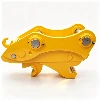
Attachments should be installed according to standard procedures. When using a quick coupler to replace an attachment, operators must ensure that the locking pins are fully secured and that the attachment is firmly connected to the excavator's working mechanism. During hydraulic hose connection, contaminants should be prevented from entering the system to avoid damage to hydraulic components. After installation, a test operation should be performed to confirm smooth and reliable movement.
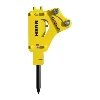
Different types of excavator attachments require different operating techniques. When using a hydraulic breaker, the chisel should remain perpendicular to the working surface so that impact energy can be transferred effectively. Side impacts and prolonged empty strikes should be avoided, as they may accelerate equipment wear and damage internal components. When operating hydraulic shears for demolition work, cutting force should be adjusted according to material strength to prevent overload.
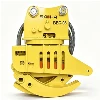
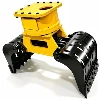
For gripping attachments such as grapples and log handlers, controlling gripping force and maintaining smooth movement are essential. Operators should adjust working methods according to material weight and avoid sudden impacts or excessive clamping force that could damage the equipment. During material handling operations, stable machine movement helps reduce load swinging and improves job site safety.
When using specialized attachments such as screening buckets and vibratory compactors, operating parameters should be adjusted according to actual working conditions. Screening buckets require appropriate speed control based on material size and characteristics to improve separation efficiency. Vibratory compactors should maintain suitable working pressure to achieve effective ground compaction.
In addition to correct operation, regular maintenance is also important for maintaining attachment performance. After completing construction work, operators should clean the attachment, inspect wear-prone components, and perform regular lubrication. Through standardized operation and proper maintenance practices, excavator attachments can achieve higher efficiency and reliability.
In the future, as construction machinery becomes increasingly intelligent, excavator attachment operation will continue to develop toward smarter and more precise solutions. By combining advanced control technologies with proper operating practices, excavator attachments will provide greater value across a wider range of engineering applications.