Hydraulic Tilting Quick Hitch Coupler: A Complete Guide to Boosting Excavator Efficiency
The global tilting quick coupler market is projected to reach $249 million by 2032, growing at a 5.2% CAGR during the forecast period 2026-2032. With hydraulic quick couplers representing approximately 78% of this market and mini excavators (below 6 tons) accounting for 44% of applications, the demand for precision grading attachments is accelerating across construction, landscaping, and civil engineering sectors.
What Is a Hydraulic Tilting Quick Hitch Coupler?
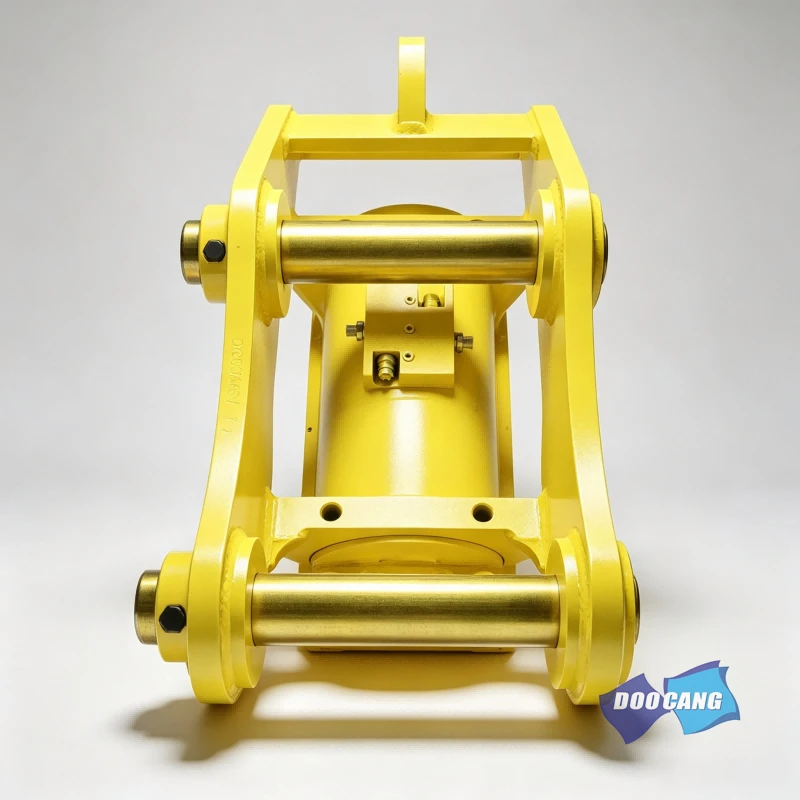
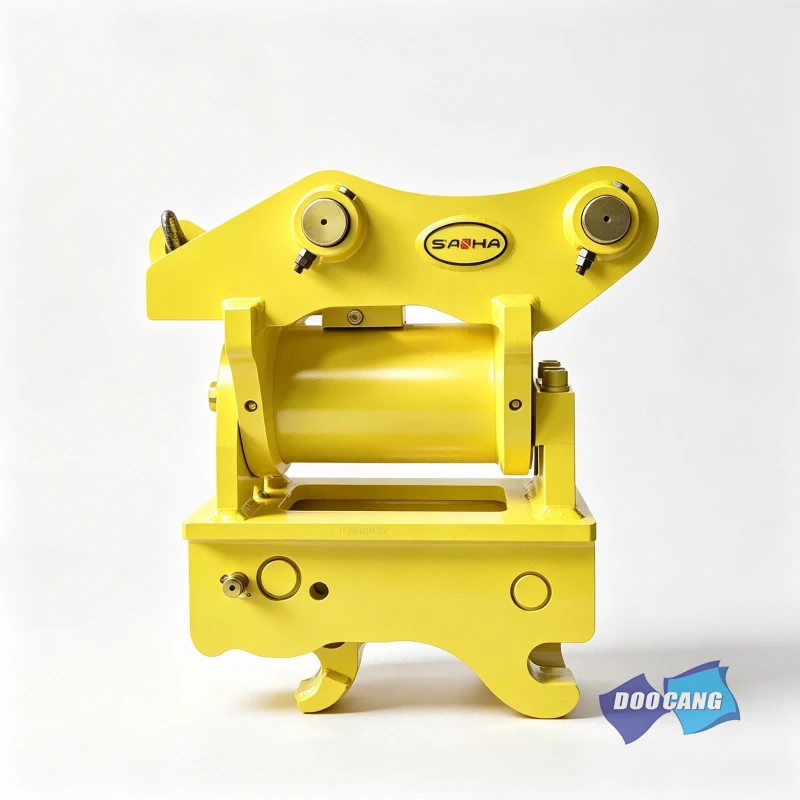
A hydraulic tilting quick hitch coupler - also known as a tilt coupler, tilt hitch, or tilting quick hitch - mounts between the excavator arm and the attachment. It combines the rapid attachment-changing function of a standard quick coupler with a hydraulic tilt mechanism that angles the attachment up to ±45° from center, giving a full 90° total range.
This dual capability allows operators to grade slopes, clean ditches, and shape embankments without constantly repositioning the excavator. The tilt function is controlled from inside the cab through the machine's auxiliary hydraulic circuit, eliminating the need to exit the cab for angle adjustments.
How It Works
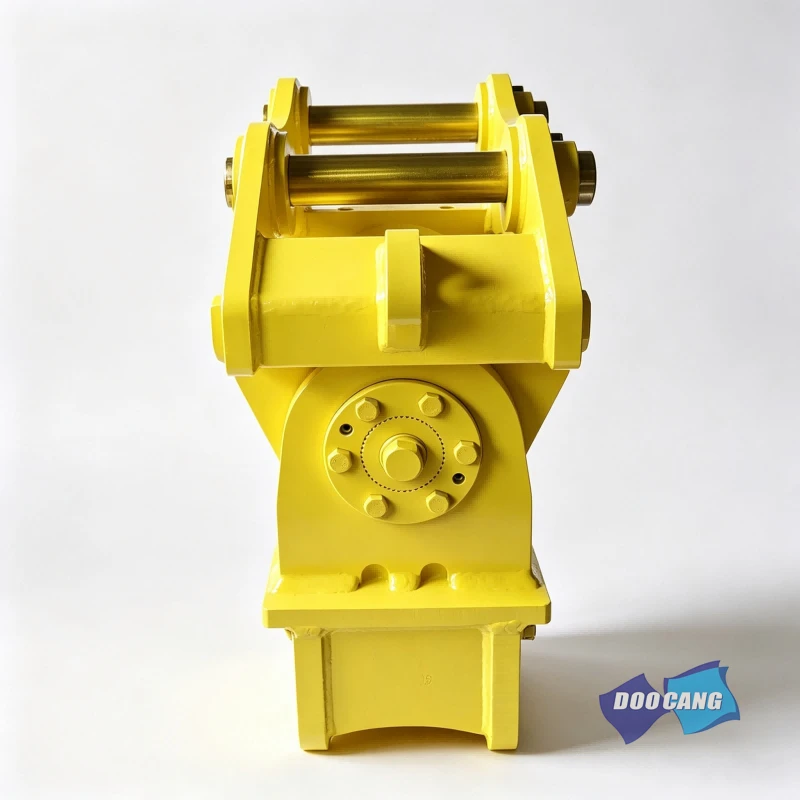
The hydraulic tilting quick hitch coupler operates through two integrated systems. The locking mechanism uses a hydraulic cylinder connected to the excavator's auxiliary circuit to secure the attachment's mounting pins. Most models feature a check valve that holds the lock if pressure drops, with a mechanical safety latch as backup. The tilt mechanism runs off a double-acting auxiliary circuit, providing ±45° tilt on all standard models. Heavy-duty fabricated bodies, hardened pivot pins and bushings, and integrated safety locks ensure reliable performance in demanding conditions.
Key Benefits for Contractors
Reduced Machine Repositioning. A tilting coupler allows the bucket to be angled to match the slope or ditch profile, eliminating the need to move the excavator to achieve the correct cutting angle. One case study in Brisbane, Australia found that a 5.5-ton excavator equipped with a 180° tilting quick hitch reduced machine repositioning by up to 30%, leading to direct fuel savings.
Significant Time and Labor Savings. A landscaping contractor using a tilting quick hitch on a steep 35-degree slope reported completing a grading phase in 3 days instead of the estimated 5 days, with manual raking reduced by 70%. Another contractor using a tilt coupler on a Hitachi ZX200LC estimated a 30% increase in productivity.
Fuel Efficiency and Reduced Wear. Because the excavator spends less time "shuffling" for position, fuel consumption drops significantly. One project reported approximately 30% fuel reduction during the tilt coupler usage period. Fewer machine movements also mean less wear on tracks and undercarriage components.
Precision Grading and Ditching. The ±45° tilt function allows operators to cut straight lines and precise contours even on uneven ground. This capability is particularly valuable for drainage work, slope finishing, and final trim work where accuracy matters.
Applications Across Industries
Hydraulic tilting quick hitch couplers are suitable for excavators ranging from 1.5 tons to over 30 tons. Common applications include:
Precision grading and leveling - achieving accurate slopes and contours without repositioning
Ditch and drainage cleaning - angling the bucket to match ditch profiles
Slope finishing - working on embankments and uneven terrain
Trenching - maintaining consistent depth and alignment
Landscaping - shaping soil and creating tiered surfaces
Choosing the Right Tilting Quick Hitch Coupler
Selecting the correct coupler requires matching several key parameters to your excavator and application.
Tilt Angle. Standard models offer ±45° tilt. Some manufacturers provide 180° total tilt for greater flexibility. Choose based on the complexity of your grading and ditching work.
Carrier Weight Compatibility. Tilting quick hitches are available for machine classes from mini excavators (1.5–6 tons) to larger machines (25–30 tons and above). Verify the coupler's weight rating against your excavator's operating weight.
Hydraulic Requirements. Most tilt couplers require a double-acting auxiliary circuit. Check your excavator's auxiliary hydraulic flow and pressure to ensure compatibility. The tilt function typically requires a dedicated hydraulic line to operate the tilt cylinder independently of the attachment's own hydraulic functions.
Pin Diameter and Center Distance. These dimensions must match your excavator arm and existing attachment interfaces. Custom brackets are available for non-standard configurations.
Safety Features. Look for integrated safety locks, check valves, and visual indicators that confirm the attachment is properly secured. Double-locking systems provide additional peace of mind on busy job sites.
Maintenance and Longevity
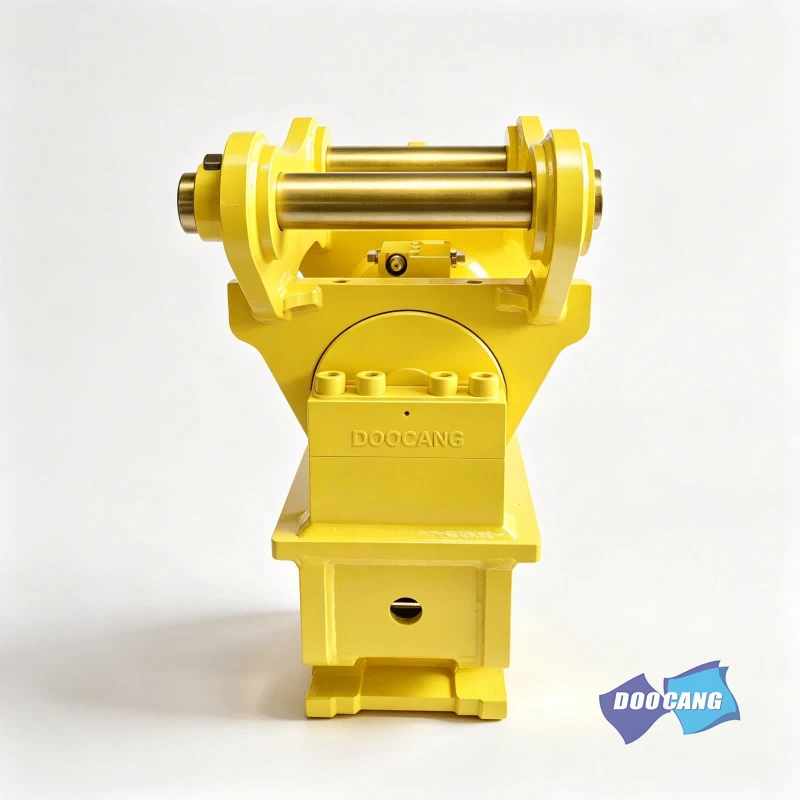
Proper maintenance extends the service life of your tilting quick hitch coupler. Grease pivot points daily, check hydraulic hoses for cracks or wear, and inspect the locking mechanism for proper engagement. Replace worn pins and bushings promptly to maintain connection integrity. Store the coupler in a dry location when not in use, and avoid exposing the hydraulic cylinder to direct impact from debris.
Market Outlook
Europe remains the largest market for tilting quick couplers, holding approximately 37% of global share, followed by North America and Asia-Pacific. The growing adoption of tilt couplers among contractors reflects a broader trend toward multi-functional excavator attachments that reduce the need for multiple machines on site. As labor costs rise and project timelines tighten, the ability to perform precision grading without repositioning offers a clear return on investment.
For contractors, equipment rental companies, and fleet operators, a hydraulic tilting quick hitch coupler is more than a convenience - it's a productivity tool that pays for itself through time savings, fuel reduction, and improved job site accuracy.